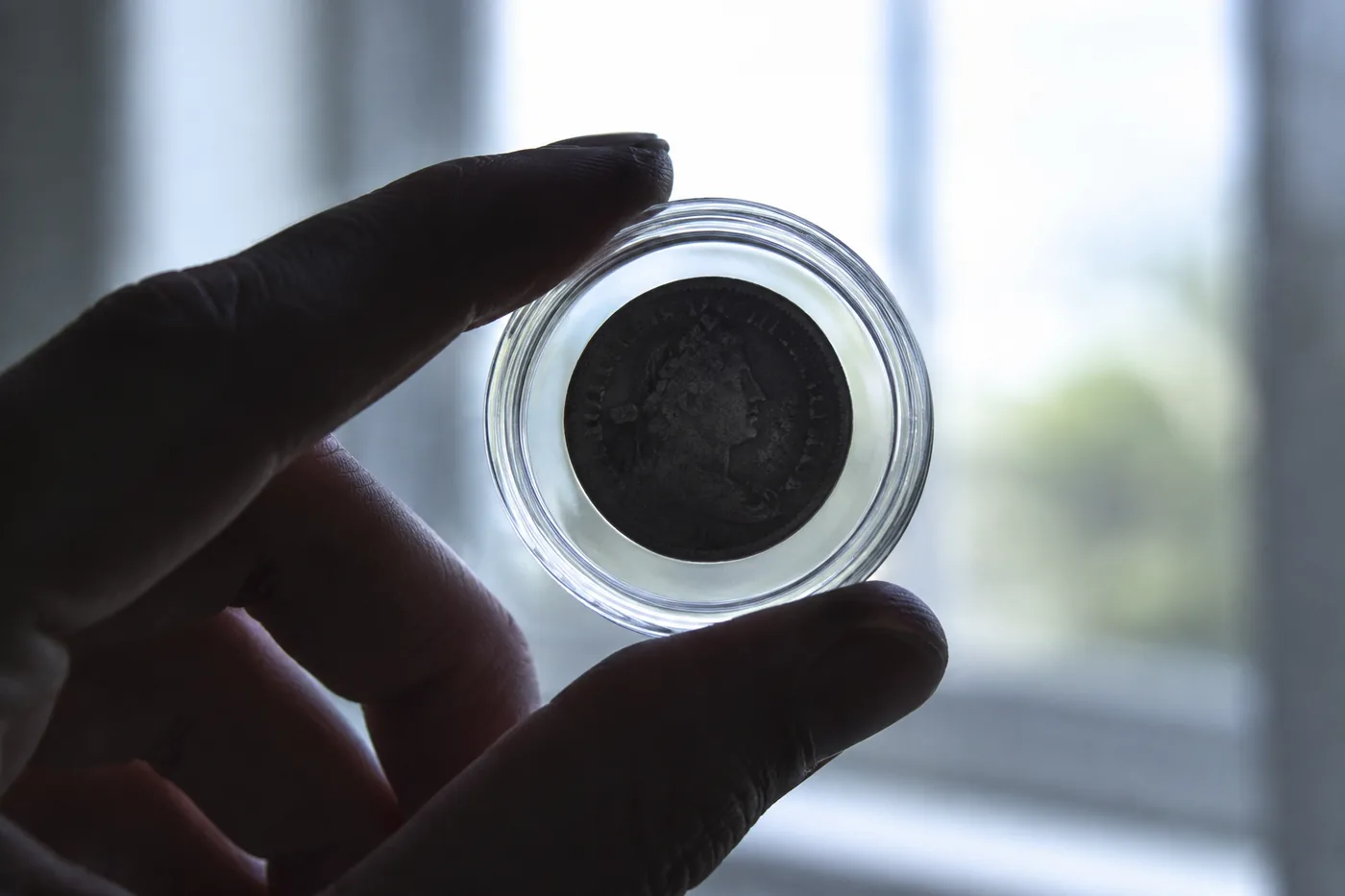
First, the reassuring truth: you don't need to become a numismatist to handle this well. You need a sorting process, a few free lookups, and the discipline not to ship anything or sell anything until the sorting is done. Most inherited accumulations are largely common material — and almost every one contains a few pieces that deserve better than the melt bucket.
Step 0 — Touch nothing aggressively
The one unforgivable mistake
Do not clean anything. Not once, not gently, not with a soft cloth. Cleaning permanently destroys collector value and converts gradeable coins into Details-grade coins (what that costs). Handle coins by the edges, keep them in whatever holders they came in, and fight every instinct to make them shiny.
Step 1 — The four-pile sort
- Bullion pile: common-date silver dollars in circulated grades, 90% silver dimes/quarters/halves ("junk silver"), modern bullion coins. Value tracks metal content. This is usually the biggest pile by weight.
- Face-value pile: post-1964 circulation coins with no silver. Spend it or roll it.
- Maybe pile: anything uncirculated-looking, anything pre-1935, gold of any kind, proof and mint sets, and anything already in a grading holder.
- Paper pile: old banknotes — a separate specialty; don't let them ride along in a coin deal unpriced.
Step 2 — Work the maybe pile
- Already-slabbed coins: verify each cert (lookups for every service) and pull sold listings for the same coin/grade. These are the easiest values in the whole estate.
- Key dates: check every coin's date and mintmark against a list of the series' key dates (a Red Book — the standard annual price guide — is the classic tool for exactly this job). A 1909-S VDB cent or a 1916-D Mercury dime hiding in a folder changes the math of the entire collection.
- Gold: all of it gets individual attention. Even common gold carries substantial value, and better-date gold in high grade is where estates surprise people.
- Uncirculated classics: this is the grading-candidate pool — original-luster Morgans, Walkers, Saints, and type coins.
Step 3 — Apply the grading test
The same break-even rule from our Morgan guide applies estate-wide: grade a coin only when the certified value minus the raw value clearly beats the all-in fee (~$30–$100/coin depending on batch size and tier — run your batch here). In a typical inherited collection that means:
- Grade: key dates, all better gold, genuinely uncirculated classics, and anything a knowledgeable check suggests is conditionally scarce.
- Sell raw: the bullion pile (price it off spot, get multiple dealer quotes the same day), circulated common dates, and impaired coins.
- When unsure: a consignment program that grades and auctions (deducting discounted fees from proceeds) removes the guesswork for mid-tier coins — you avoid fronting fees on coins that don't earn them.
Step 4 — Sell in the right order
Sell the graded coins as individual certified listings; sell bullion by weight to the best of several same-day quotes; and never let a buyer make one blended offer for the whole box — blending is where the good coins quietly subsidize the deal.
Reference tools that pay for themselves in one estate
→A Guide Book of United States Coins (the 'Red Book') →Coin loupe, 10x — for checking mintmarks and lusterAs an eBay Partner, I may be compensated if you make a purchase.
→Sold: certified estate coins — see how graded pieces listThe Red Book identifies key dates in minutes; the loupe confirms mintmarks. Together they're under the cost of one grading fee.
The whole process might take two weekends. Against the alternative — a walk-in blended offer on an unsorted box — those weekends are routinely worth four figures. Slow is profitable here.
Ready to start browsing?
See current Graded Coin Pcgs Ngc listings on eBay →