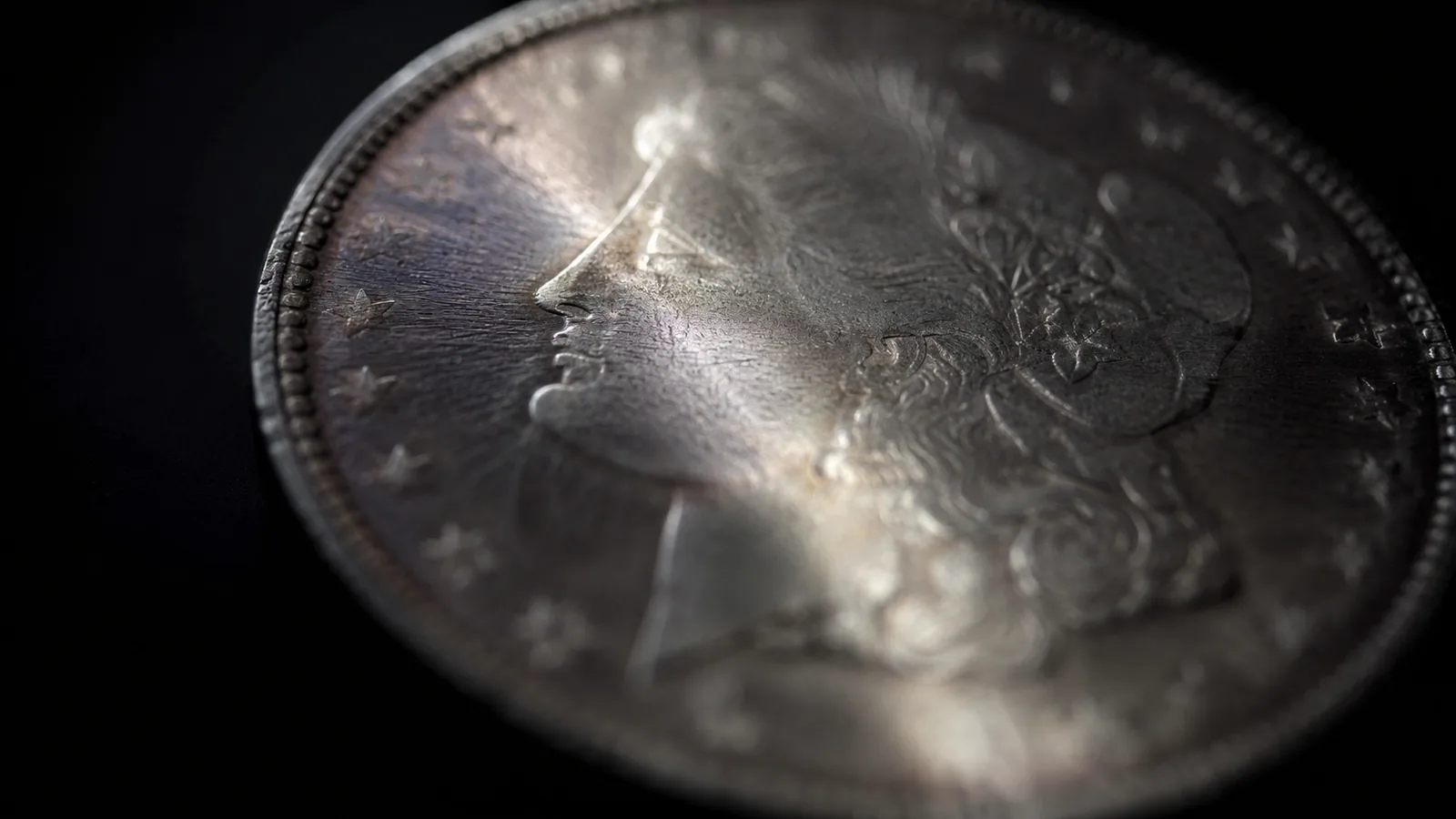
The Mercury dime (1916–1945; officially the Winged Liberty Head) is a masterpiece in miniature, and its market runs on a designation: FB — Full Bands (PCGS: FB; NGC: FT, Full Torch, with similar intent). The central crossbands on the reverse fasces must show complete, rounded separation. Because those bands are the design's highest relief point, they're the first casualty of weak strikes — making FB a strike-quality certificate, not a wear grade.
We don't print price tables that rot. Every price claim on this page is a shape — where the jumps live — and the links below open live and sold listings so you're always pricing off today's market, not last year's guide.
Why FB moves money so hard
Strike quality varied enormously by date and mint. Some issues come fully struck routinely — their FB premium is mild. Others almost never struck up fully: for those dates, an FB example is a genuine rarity and the designation multiplies price. The famous example is the 1945-P, common as dirt in gem, dramatically scarce with Full Bands — the designation is the rarity. Several D-mint issues of the 1920s behave similarly.
The rule that saves you money
Know your date's FB behavior before paying any FB premium. On dates that usually come FB, pay little extra. On the strike-starved dates, the FB premium is real — and only worth paying inside a holder, since half-split bands and honest FB look identical in bad photos. Population reports (free on the services' sites) show you instantly which kind of date you're looking at.
The rest of the series map
- The key: 1916-D. Valuable in every grade down to barely identifiable, and the most altered-mintmark coin in U.S. collecting — countless Philadelphia 1916s have grown fake D's. Certified only, no exceptions, at any price point.
- Semi-keys: 1921 and 1921-D (low mintages, valuable circulated), 1926-S in better grades, and the 1942/1 and 1942/1-D overdates — dramatic varieties worth certifying for attribution alone.
- Common dates: late-30s and 40s issues are inexpensive through MS65; gorgeous gems are among the best beauty-per-dollar buys in classic coinage.
Buying strategy
- Type buyer: a common-date certified MS65FB — full strike, gem surfaces, modest cost.
- Set builder: circulated set raw is a classic; the 1916-D, overdates, and anything MS-with-FB belong in plastic.
- Designation hunter: the strike-rarity dates in FB are a legitimate specialty — pop reports and sold comps are your whole toolkit.
See FB pricing split in real time
As an eBay Partner, I may be compensated if you make a purchase.
→Sold: certified Mercury dimes MS65 (no FB) →Sold: certified MS65 FB Mercury dimes →Live: certified 1916-D Mercury dimesSame grade, with and without the bands — the spread you see is pure strike premium, and it varies wildly by date.
The Mercury dime teaches the general lesson better than any series: designations aren't decoration, they're rarity statements — sometimes trivial, sometimes the entire value of the coin. Check which, then bid.