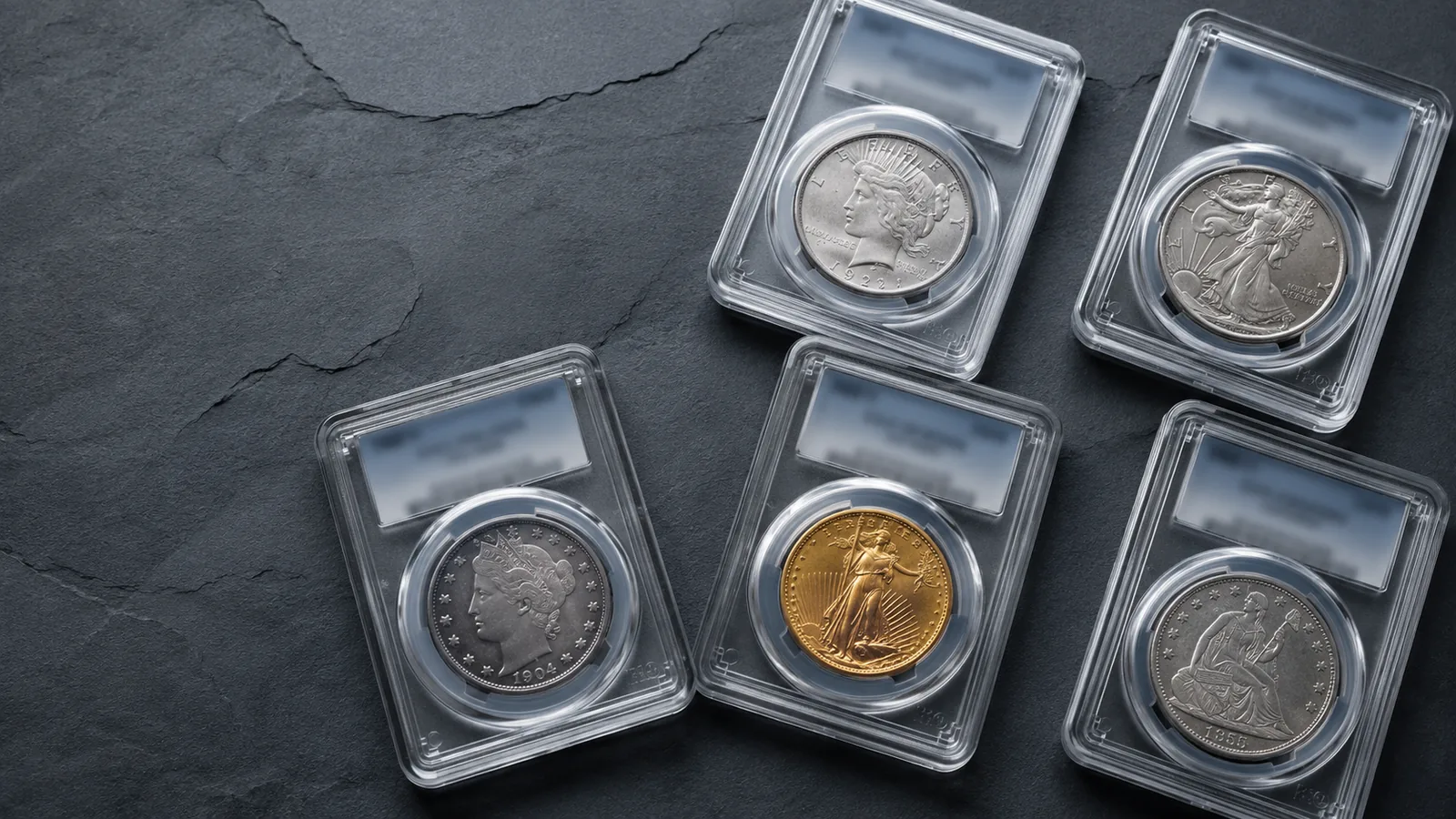
Let's answer the question honestly instead of promotionally: yes, buying graded coins on eBay is safe for buyers who follow a verification routine, and genuinely risky for buyers who shop it like a bookstore. The platform's scale cuts both ways — the deepest inventory and best price discovery in the hobby, and enough volume for bad actors to hide in.
What actually protects you
- eBay's Money Back Guarantee. Item not as described — including counterfeit — and you're covered for a return. This is real protection, but it requires you to inspect promptly and document problems. It is a safety net, not a substitute for pre-bid checks.
- Authenticity programs. eBay has run authentication for higher-value coins and bullion, routing eligible items through third-party checkers before delivery. Coverage and thresholds have shifted over time — check what the specific listing displays rather than assuming; an authenticity badge on the listing means the item ships through the checkpoint.
- Sold-listing transparency. Nowhere else can you see actual transaction prices for nearly any certified coin, free. This is eBay's most underrated safety feature: it makes the too-cheap trap visible.
- The cert databases. Every claim a slab makes is checkable in a minute (how, for each service).
The real risk map
| Risk | How common | Your defense |
|---|---|---|
| Counterfeit slab + coin | The serious one | Cert lookup + photo match + 7 holder checks |
| Cloned cert on real-looking holder | Rarer, nastier | Photo matching against service images |
| Overpriced "special label" moderns | Everywhere | Price off sold listings, ignore label hype |
| Second-tier holder priced as first-tier | Common | Know the ANACS/ICG discounts |
| Doctored photos hiding problems | Common on raw, rare on slabs | Demand full-holder photos, both sides |
The routine (five minutes, every time)
- Full-holder photos, both sides, cert number legible. Missing → ask; refused → out.
- Run the cert on the service's own site; match every field and the photos.
- Pull sold comps for the same date/grade/holder. Price 30%+ under consistent comps from an unknown seller is a warning, not a coupon.
- Read the seller, not just the score: coin-specific feedback, return policy, ship-from location.
- On arrival, verify in hand before leaving feedback — holder matches photos, cert matches label.
Auctions vs. Buy It Now
Auction sniping can genuinely beat retail on common certified material where supply is deep. On scarcer coins, disciplined Buy It Now purchases from established coin dealers at fair sold-comp prices usually beat "winning" a bidding war. Decide the maximum from sold data before you bid, and let someone else overpay past it.
Start where the process is easiest to practice
As an eBay Partner, I may be compensated if you make a purchase.
→Live: PCGS & NGC certified coins under $100 →Sold: certified Morgan dollars — comp practice →Live: CAC stickered classic coinsLow-stakes purchases from established sellers are the cheapest way to build the verification habit before real money is on the table.
eBay rewards exactly the skills this whole site teaches: read the label, check the number, price off sold reality. Do those three things every time and the platform's scale works entirely in your favor.