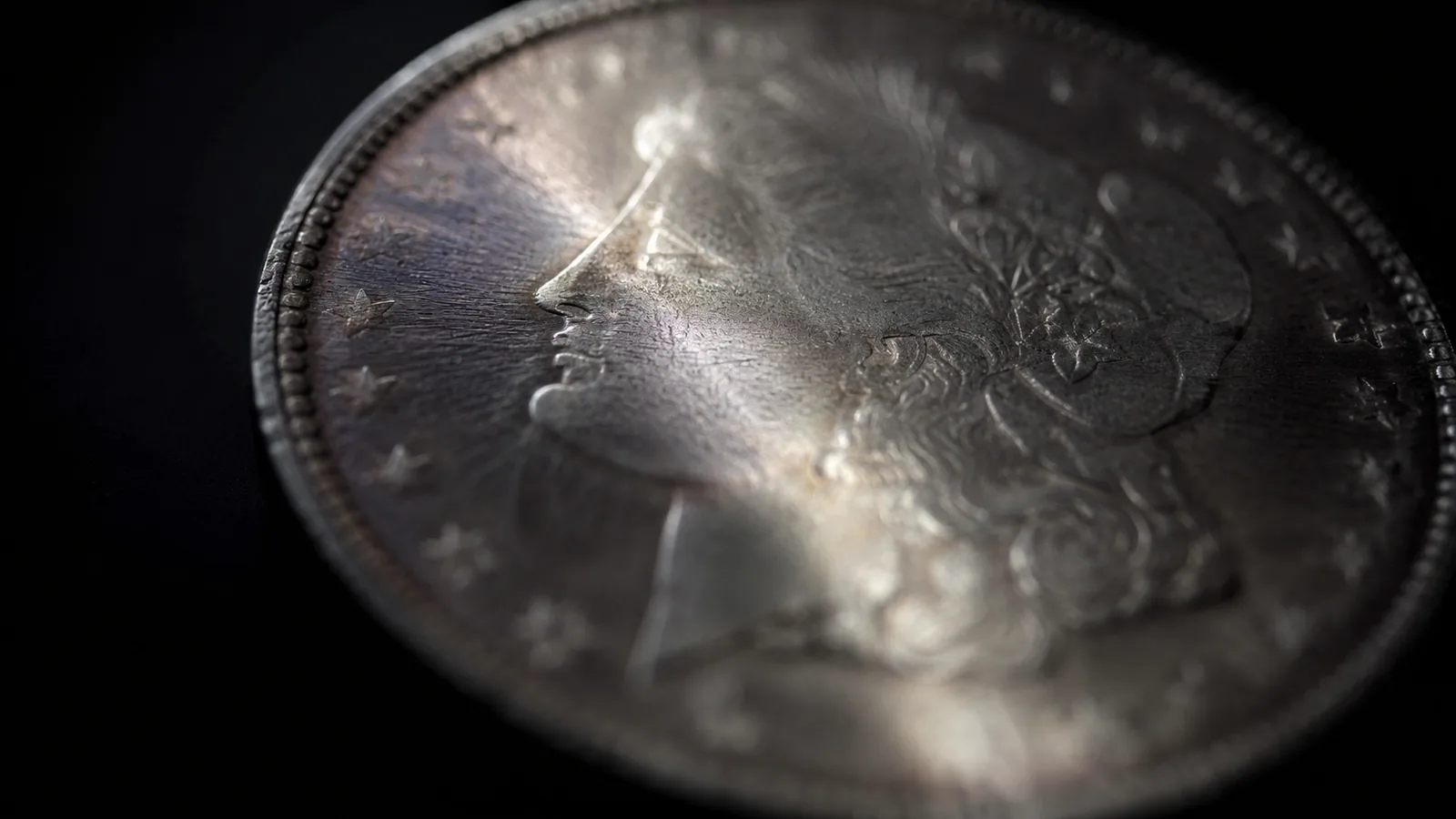
Morgan dollars (struck 1878–1904 and again in 1921) are the most collected classic U.S. coin — and the most over-submitted. Grading services see rivers of common-date, mid-grade Morgans whose owners paid more in fees than certification added in value. The break-even framework below is how you avoid joining them.
The all-in cost of grading one coin
Fees below were checked against published schedules and dealer program listings in mid-2026. Grading companies revise pricing periodically and run promotions constantly — treat these as planning numbers and confirm on the official site before you ship anything.
The grading fee is only the visible part. A realistic single-coin submission to a major service stacks up like this:
- Grading fee: roughly $22–$25 at economy tiers (coins valued $300 or less), $38–$40 at standard tiers, more for express service.
- Membership: PCGS Collectors Club from about $69/year; NGC paid membership from about $25/year (required to submit directly).
- Handling: roughly $10 per submission form.
- Shipping both ways, insured: commonly $25–$60+ depending on value and service.
Realistic all-in for one economy-tier coin: roughly $60–$100. Spread across a batch of ten coins, per-coin overhead drops sharply — which is the first lesson: never submit one coin. (Our calculator does this arithmetic for any batch size and service.)
The break-even test
The rule
Grade a Morgan only when (certified value − raw value) > total per-coin cost — with room to spare. A sensible margin is 2–3× the fee, because your grade estimate might be a point optimistic, and one point is often the whole profit.
Which Morgans pass the test
- Genuinely uncirculated common dates with strong luster and clean cheeks. The value jumps between MS63, MS64, and MS65 are where certification pays. A common date that's honestly MS65 is worth grading; the same coin at MS63 often isn't, and the difference is skill to see — look hard at Liberty's cheek and the fields.
- Better dates in any collectible grade. Carson City issues, 1893-S, 1889-CC, 1895 proofs, semi-key dates — certification adds buyer confidence and real money even in circulated grades.
- Prooflike and deep-mirror-prooflike candidates. The PL/DMPL designations carry premiums that only exist inside a holder.
- VAM varieties with followings (attribution turns a generic dollar into a listed variety).
Which Morgans fail it
- Circulated common dates. A worn 1921 or common-date 1880s Morgan trades primarily on silver content plus a modest collector floor. Certification adds pennies and costs tens of dollars.
- Cleaned coins. A harshly cleaned Morgan comes back in a Details holder (what that costs you) — you'll have paid full fees to have the problem made official.
- "Uncirculated" coins that are actually AU. The most expensive mistake in the series: sliders submitted as MS come back AU58 and the fee is gone. When in doubt, get a second opinion before submitting, not after.
The honest sequence
- Sort by date/mintmark first — better dates pass regardless of grade.
- For common dates, be brutal about uncirculated vs. almost: rotate the coin under a single light and look for luster breaks on the cheek and eagle's breast.
- Estimate the grade conservatively, then check what that grade actually sells for — certified, sold listings, not price guides.
- Run the fee math on a realistic batch. Only ship coins that clear break-even at your conservative grade.
Check what certified Morgans really bring
As an eBay Partner, I may be compensated if you make a purchase.
→Sold: PCGS MS64 common-date Morgans →Sold: PCGS MS65 common-date Morgans →Sold: raw uncertified Morgan dollars (your baseline)The spread between the raw price and the certified price at your conservative grade estimate — minus all-in fees — is your actual profit from grading. If it isn't clearly positive, keep the coin raw.
None of this is anti-grading — the right Morgan in the right holder is more liquid, more trusted, and worth more. The point is that grading is a business decision the coin either justifies or doesn't. Sentiment is free; fees aren't.