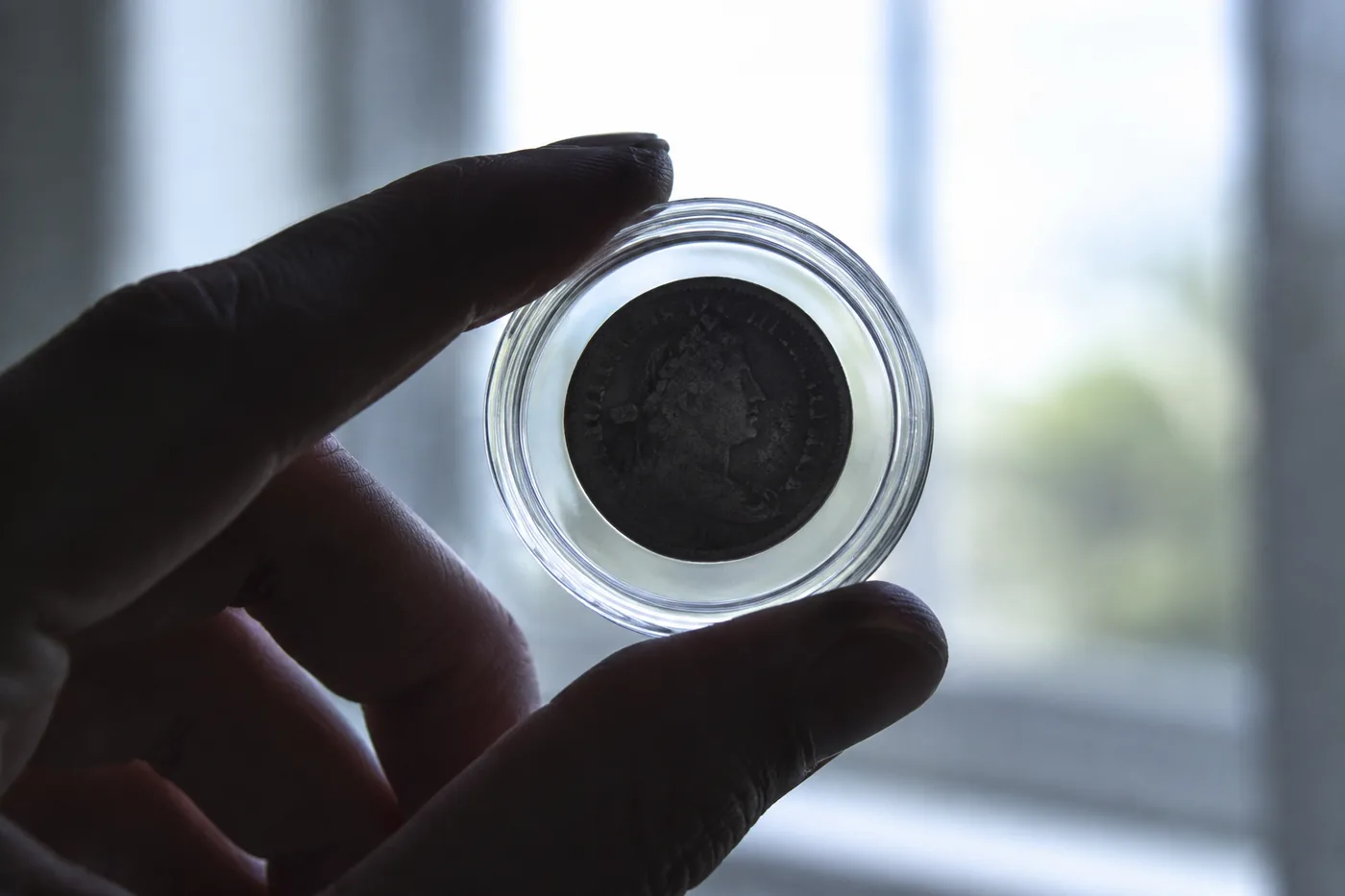
"Body bag" is the hobby's old slang for the soft plastic flip a coin came back in when a grading service declined to encapsulate it — no slab, just the coin and a code explaining why. Services handle refusals differently today (many problems now go into Details holders instead), but plenty of submissions still come back unholdered, and knowing the categories saves you money on both ends of the process.
The rejection categories
- Not genuine. The hard one: the service judged the coin counterfeit. It will not be holdered under any label. You'll typically get the determination and — small mercy — some services reduce or waive parts of the fee structure on counterfeits, though handling and shipping are gone regardless.
- Questionable authenticity / unable to verify. Not condemned, not blessed — the service couldn't reach confidence. Common with worn key dates, altered-mintmark suspects, and some world material. A second service sometimes reaches a conclusion; sometimes the cloud is permanent.
- Altered date / added mintmark. A genuine coin doctored into pretending it's a better one — the classic being common-date coins with mintmarks embossed or dates re-cut. The underlying genuine coin retains only its honest identity's value.
- Ineligible items. Medals, tokens, or issues a service doesn't holder under the submitted tier; oversized or damaged-beyond-encapsulation pieces. A paperwork problem more than a coin problem — sometimes resubmittable under the right service/tier.
- Surface problems too severe to holder — active corrosion or PVC damage that would continue inside the slab. Conservation first (NGC's NCS is the standard route), grading second, if at all.
What you're charged
Plan on the money being spent: grading fees generally apply to the opinion, not the outcome, and handling and shipping are sunk either way. Some services apply reduced handling for items deemed not genuine or ineligible — check the current fee schedule rather than assuming a refund. The real cost management happens before submission: don't ship coins with authenticity doubts you haven't priced in.
Triage after a rejection
- Not genuine: get it out of your sale pipeline permanently. Knowingly reselling a condemned counterfeit as genuine is fraud. Counterfeits can be kept as reference pieces, clearly marked, or surrendered/destroyed — but they never go back in a "raw deal" lot with your name on it.
- Questionable authenticity: a second opinion from the other major service is legitimate — standards and reference libraries differ. Two shrugs, though, and the market will price the coin as a question mark forever; sell it disclosed or keep it as a curiosity.
- Altered coins: value it as the common coin it genuinely is, disclose the alteration if you sell, and treat the seller who supplied it to you as radioactive.
- Ineligible/conservation cases: fix the routing — correct tier, correct service, or conservation first — and resubmit only if the coin still clears the break-even math with a second round of fees stacked on.
Avoiding the body bag in the first place
- Buy raw key dates only from sellers with return policies, and submit within the window.
- Learn the counterfeit tells of any series you buy raw — every heavily faked coin (trade dollars, gold, key-date cents) has documented diagnostics.
- When a raw deal looks impossible, it's usually the coin that's impossible. The discount you were excited about was the market's authenticity verdict, delivered early.
Reduce the raw-coin gamble entirely
As an eBay Partner, I may be compensated if you make a purchase.
→Live: already-certified key date coins →Counterfeit detection reference guides →Sold: certified trade dollars (a heavily-faked series)For counterfeit-prone series, buying already-slabbed shifts the authentication risk onto the service — often for less than a failed submission would cost you.
A rejection stings, but it's the system working: the fee bought a professional opinion, and sometimes the professional opinion is "no." The collectors who lose real money are the ones who never ask the question at all.