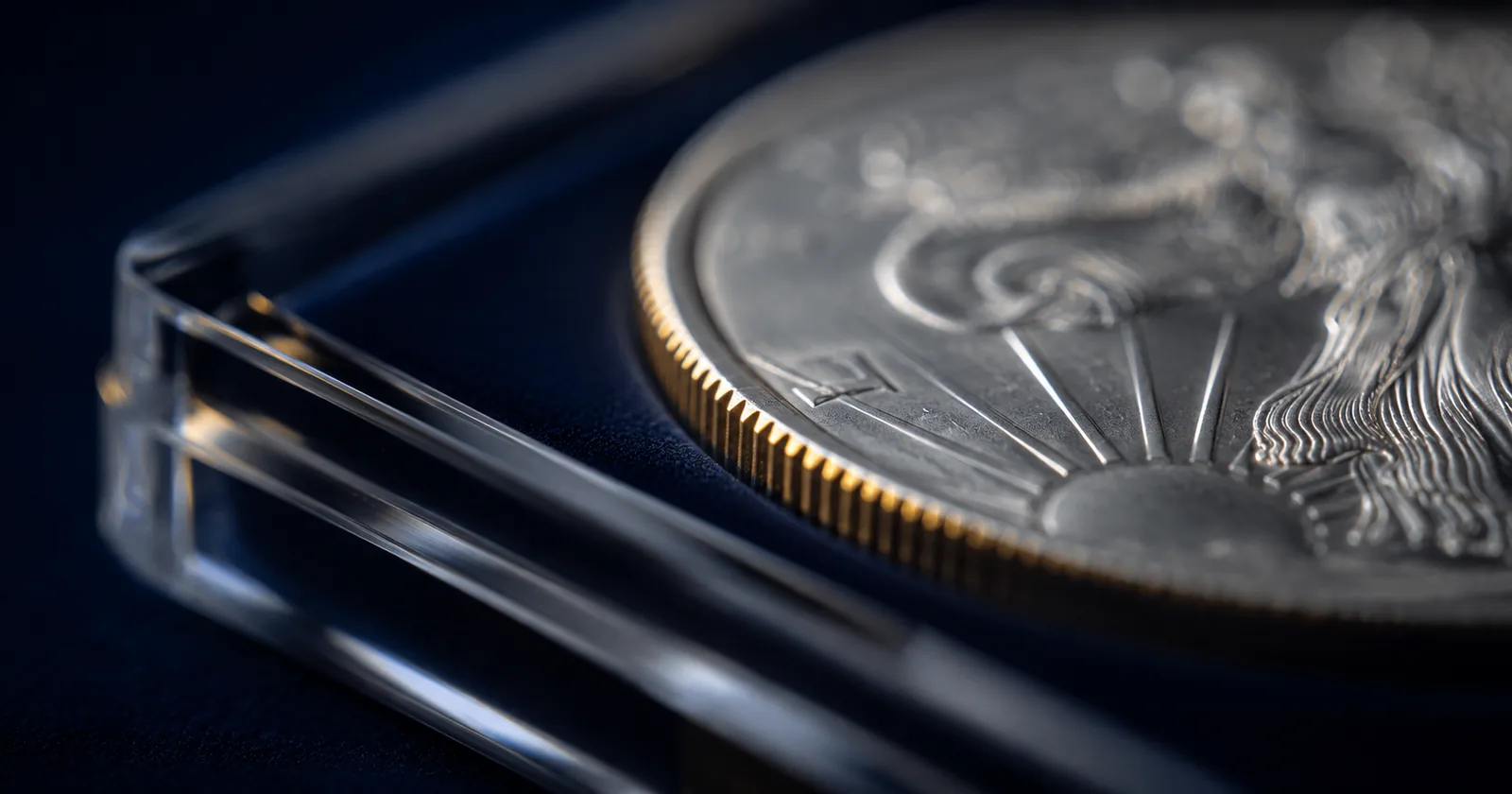
Here's the paradox in one sentence: AU58 means a beautiful coin that circulated for a weekend; MS60 means an ugly coin that never circulated at all. The scale ranks the MS60 higher — wear is the technical dividing line, and the MS60 has none. But collectors buy with their eyes, and the eyes usually prefer the 58.
How each grade actually looks
- AU58: full detail, nearly full luster, and the faintest friction on the very highest points — a coin that spent days, not years, in commerce. The best AU58s ("sliders" in dealer slang) are gems in every respect but one.
- MS60: zero wear — and, typically, everything else wrong: heavy bag marks, dull or impaired luster, scuffs, poor eye appeal. MS60–61 is where technically-uncirculated coins with rough lives land.
Put them side by side and the AU58 usually wins the beauty contest walking away. The market prices what it sees: for many series, AU58s trade at or above MS60–61 money, and choice AU58 examples of scarcer coins can press toward MS62–63 levels.
What the inversion teaches
Grades compress four qualities — wear, marks, luster, eye appeal — into one number, and the compression is lossy. The AU58/MS60 line is where the loss shows: two adjacent numbers describing coins from different planets. The lesson generalizes: within and around every grade, the coin varies more than the number. It's the same insight that makes CAC stickers valuable (that story here) and makes "buy the coin, not the holder" the oldest good advice in the hobby.
How to buy the anomaly
- Choice AU58 is the thinking collector's grade for expensive series: 95%+ of mint state's look for a fraction of MS63+ money. On big classic gold and better-date type, it's routinely the best value on the ladder.
- Insist on the right 58. The grade spans everything from near-gem sliders to dull, baggy coins that circulated briefly. Buy 58s with booming luster and clean surfaces — they exist and cost the same as tired ones from lazy sellers.
- Be wary of MS60–61 pricing. These grades exist mostly as technical classifications; paying a big uncirculated premium over a choice 58 for a rough 61 is usually paying for the word, not the coin.
- Certified matters at this boundary more than almost anywhere — the whole slider economy runs on raw AU coins sold as "BU." The holder settles the argument before your money enters it.
See the inversion in sold prices
As an eBay Partner, I may be compensated if you make a purchase.
→Sold: PCGS AU58 Morgan dollars →Sold: PCGS MS61 Morgan dollars →Live: AU58 classic gold coinsRun both sold searches for the same dates — where the 58s meet or beat the 61s, you're watching eye appeal outvote the rulebook.
The inversion isn't a flaw in grading — it's a disclosure: the number is a summary, and summaries lose information. Buyers who read the coin as well as the label collect that lost information as a discount, one choice AU58 at a time.