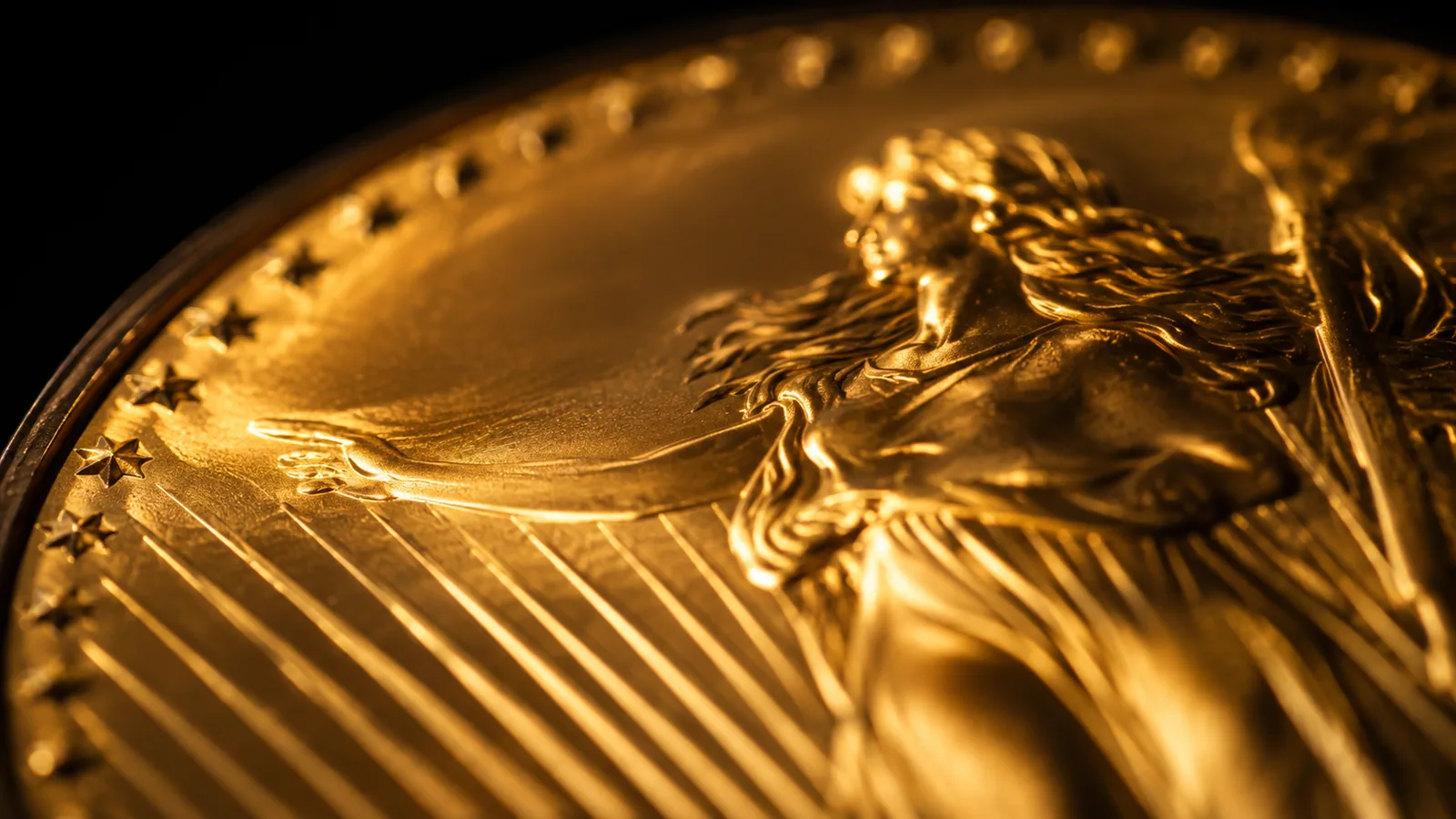
American Gold Eagles (1986–present) are bullion first: their price lives and dies with spot gold. Certification adds a fixed cost to a metal product — so the stacker's instinct that slabs waste money is usually correct, and the exceptions are worth knowing precisely because they're exceptions.
We don't print price tables that rot. Every price claim on this page is a shape — where the jumps live — and the links below open live and sold listings so you're always pricing off today's market, not last year's guide.
When raw is right (most of the time)
- Accumulating ounces. Buying gold as gold, the goal is minimum premium over spot. Sealed mint tubes and reputable-dealer raw coins achieve that; MS69/70 labels add cost that melt-driven resale rarely returns.
- Liquidity is already solved. Gold eagles are among the most liquid objects on earth raw. The slab's liquidity service — its core value on classic coins — is redundant here.
- The MS69 asterisk: as with silver eagles, MS69 gold sometimes trades near raw prices — certification effectively free. Fine to buy; just don't pay up for it.
When the slab earns its keep
- Counterfeit defense on the secondary market. Fake gold eagles — including tungsten-core work — are a real industry. Buying from strangers online, a verified certified coin (check the cert) transfers authentication risk to the service. For private-party purchases, this alone can justify the certified example at a modest premium.
- Proofs and low-mintage issues. Proof eagles, burnished issues, and anniversary editions are collector products with grade-sensitive premiums — certified is the market standard there.
- Pre-1933 U.S. gold — always. The moment you drift from modern eagles to Saints, Liberties, and Indians, counterfeit pressure and grade premiums both explode: that's certified-only territory (the Saint guide).
- Selling to collectors instead of dealers. If your exit is retail listings rather than a dealer buyback, holders widen your buyer pool and support stronger prices.
The premium test, in one line
Divide any certified gold eagle's price by its melt value, and do the same for the raw equivalent. If the certified multiple isn't buying you authentication you need, scarcity that's real (check the pop), or an exit you'll actually use — buy the raw coin and pocket the difference in metal.
Practical buying notes
- Raw gold from established dealers with buyback programs; certified gold from listings whose certs you've run.
- Never buy raw gold from unknown private sellers at "too good" prices — that's where the tungsten lives.
- Fractional eagles (1/10, 1/4, 1/2 oz) carry higher percentage premiums both raw and slabbed — comp them against their own kind, not the 1 oz.
Price both paths against today's gold
As an eBay Partner, I may be compensated if you make a purchase.
→Sold: raw 1 oz American Gold Eagles →Sold: MS70 American Gold Eagles →Live: certified proof Gold EaglesSame coin, three markets — raw, MS70, proof. Divide each by melt and the premiums explain themselves.
Stackers and slabbers are both right in their own lanes. Know which purchase you're making — metal or market — and let the melt math referee every listing.